In a world where everything is increasingly visible, there's growing value in what is hidden and must be discovered.
The internet began as a revolutionary key to worldwide access. A person in rural Oklahoma could connect and be seen by communities around the world, and could trust that the people on the other end were real. But now as AI bots, algorithms, and artificial popularity become more prevalent, it's harder to tell what is real and true. Six-figure follower counts, five-star reviews, and mass recognition don't carry quite the same weight (or trust) they once did. I find myself relying less on online ratings and more on personal recommendations, seeking out discoveries beyond what algorithms serve me.
Because there's something compelling about the things you have to discover for yourself.
Independent brands. Niche interests. Local scenes. Vintage finds that you’d never be shown online. Things that aren't popular to the masses, but mean something to the people who know.
It's less about how many people know about it? and more about what do you recognize in it?
Here in the Pacific Northwest, I've noticed an upswell of micro music festivals: highly niche, thoughtfully curated, and often discovered through word of mouth. Even in creative circles, we're seeing a shift from public portfolios to private, curated collections of work. Less broadcasting, more intentional sharing.
This seems to be a new cultural shift. Away from being seen by everyone, and toward the curiosity to discover what others overlook, the discernment to recognize its worth, and the confidence to appreciate something without needing the world to validate it.
What does this mean for brands? As visibility becomes easier to manufacture, credibility will become harder to earn, and a few shifts could emerge:
1. Mass visibility >> Cultural relevance
Rather than trying to reach everyone, brands may become more intentional about showing up in specific communities.
2. Broadcasting >> Discovery
Creating experiences that reward curiosity: small events, thoughtful collaborations, physical artifacts, unexpected cultural connections.
3. Constant exposure >> Intentional presence
Our world is noisier than ever, and it’s making us miserable. Not every brand needs to publish daily, chase trends, or participate in every conversation. Restraint, when paired with substance, can become its own signal of confidence.
4. Universal appeal >> Distinctive taste
This last one isn’t a shift — this has always mattered in brand. In this cultural moment, brands that succeed will be the ones who are willing to develop a highly unique, original point of view, and be ok with the fact that it will not appeal to everyone.
It’s tempting to overexplain product specs and try to speak to every platform, but in an overwhelming complex world, brands are better off aiming to simplify. “‘Companies drift into complexity over time because of internal politics, acquisitions, and market dynamics, and then they have to fight their way out,’ argues Jason Cieslak, Siegel+Gale’s global president.”
Skeuomorphism is digital UI mimicking real-world counterparts (think of the old Notes app looking like a legal pad), which was considered important as people adjusted to these new tools. In 2013, Apple shifted to flat design, and then to “Liquid Glass” more recently. But Jarrett Fuller found a skeuomorph element in the latest iOS: the audible shutter noise. “I wonder how many iPhone users today have taken photographs with a camera that has a physical shutter?”
If you’re unfamiliar with the Japanese Stationery Awards, we would be honored to bring it to your attention. It includes categories such as Sticky Notes, Stamps, Ballpoint Pen, and Scissors. Congratulations to 2026’s grand prize winner, The LACONIC Solid Write Mechanical Pencil, lauded for its “balance, weight, and the writing experience itself.”
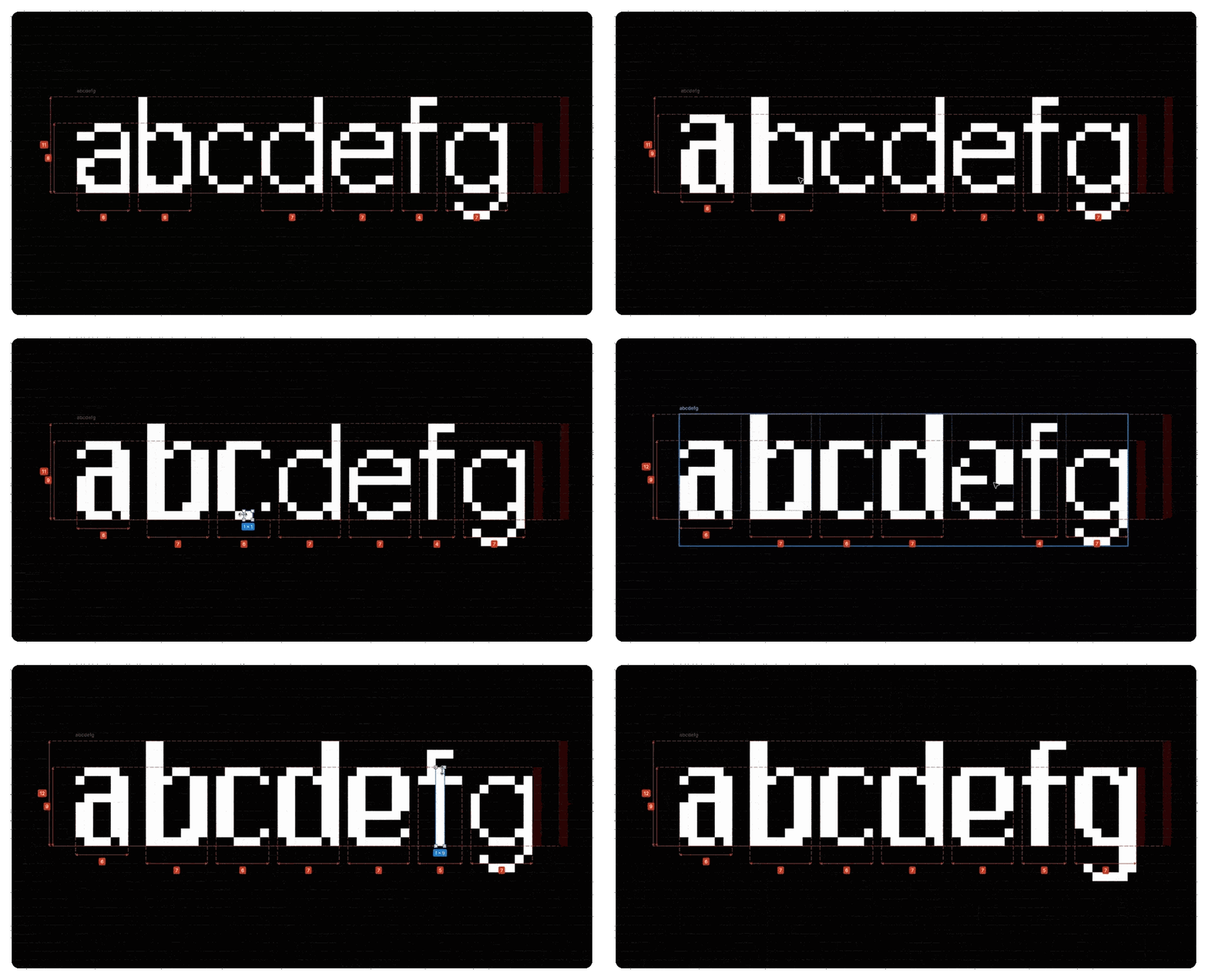
Love and Money designed their typeface Chunky Roll for the 128x128 pixel screen of Telepathic Instruments’ Orchid synthesiser. The typeface is one piece of a bigger world Love and Money built around Orchid — a hand-customized logotype that “decays” like a dying synth note, designed alongside Ignacio Germade’s retro-futurist (sometimes transparent) casing. Telepathic’s co-founder, Kevin “Tame Impala is just one guy” Parker, had an old habit of running audio through a 1970s oscilloscope to watch it draw flowers — one of the earliest references for Orchid’s whole music/science/nature vibe.