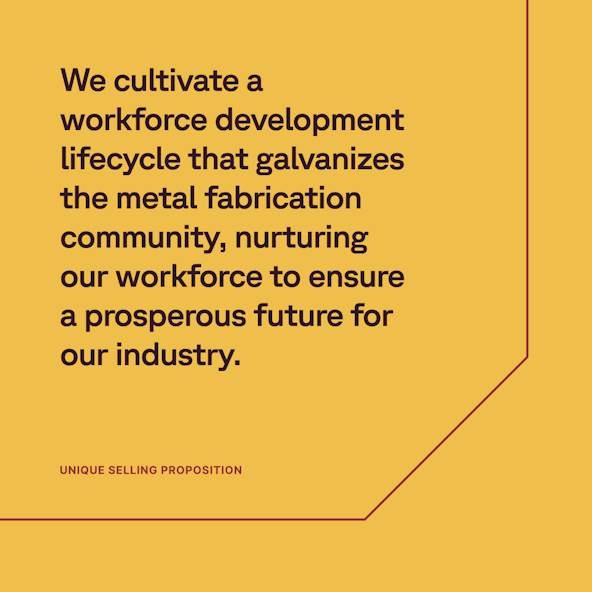
During these weeks, we also worked with the FMA core project team to study and uncover true brand differentiation for the FMA brand. In the competitive landscape, most brands chose to compete on membership, pricing, and tenure. FMA had similar surface-level claims, but its association is the only one of its kind improving the workforce lifecycle. While others are studying the changes in metal manufacturing, FMA is approaching this challenge with solutions by hosting camps, creating scholarship opportunities, instigating the push for diversity, and investing in new technologies to help future-proof the industry (at the time, this work was under the brand name Nuts, Bolts, & Thingamajigs). When discussing it as a team, this point of differentiation was the single aspect that every FMA employee was most excited about, proud of, and driven by.
We proposed a Hybrid brand architecture for FMA — one that would confirm FMA as the core behind its powerful brand portfolio, eliminate the confusion and cost caused by so much separation, bring things closer in-line visually, unite FMA with its most important differentiator, simplify the management of the brands, allow its publication and trade show to be independent channels connecting back to FMA, and enhance the equity and awareness across the system.
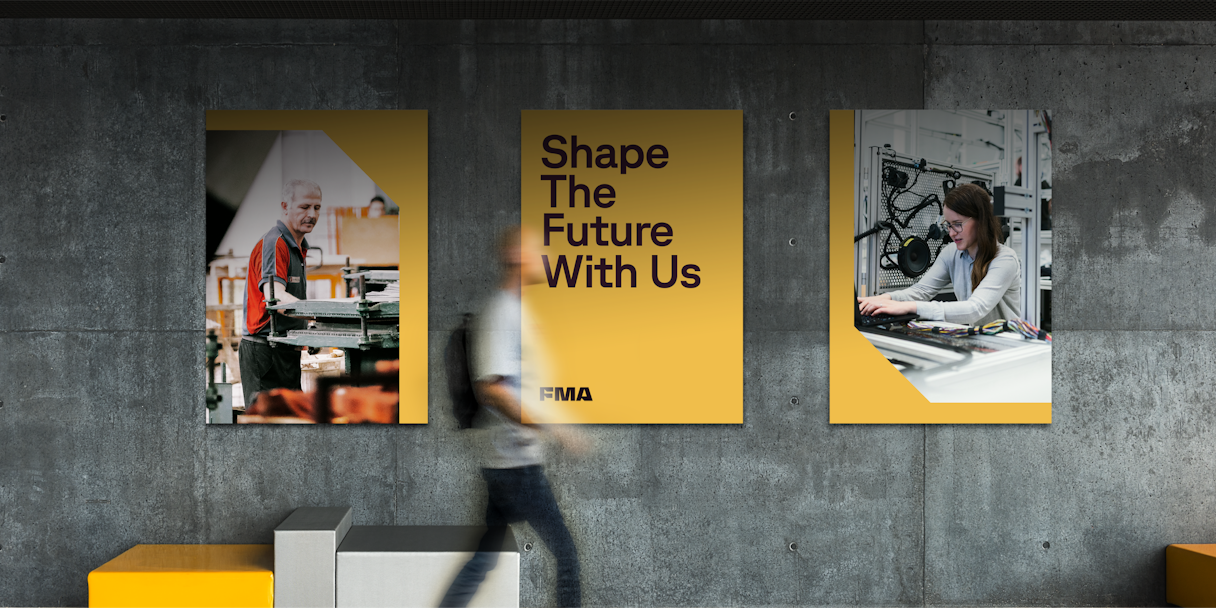
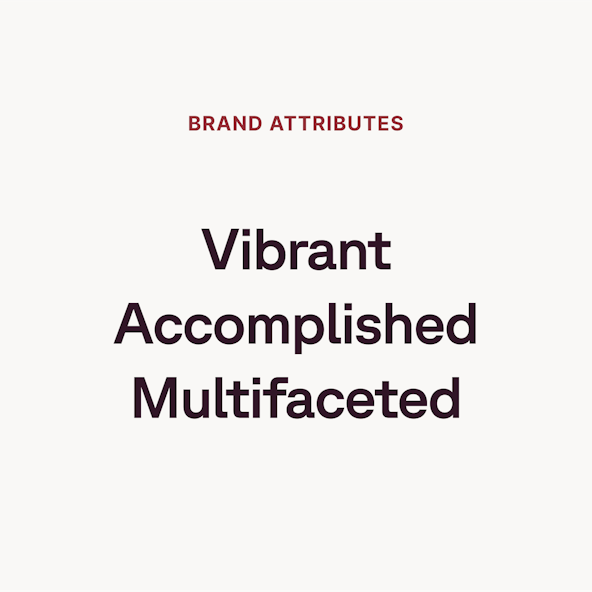
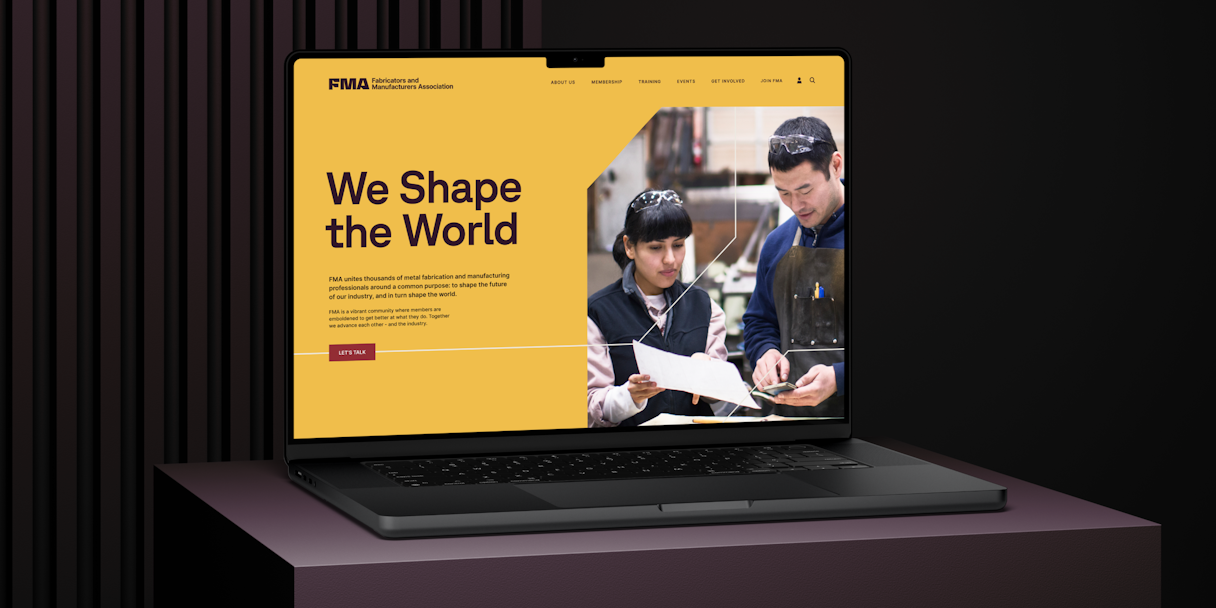
With these strategies set, we focused on a direction that positioned FMA as so much more than a membership. This pivot gave the brand the ability to appeal to businesses and professionals looking to be part of the bigger change happening in their industry. FMA dedicated its brand to enabling its industry community to see themselves as active participants in ensuring the sustainability and relevancy of their work.