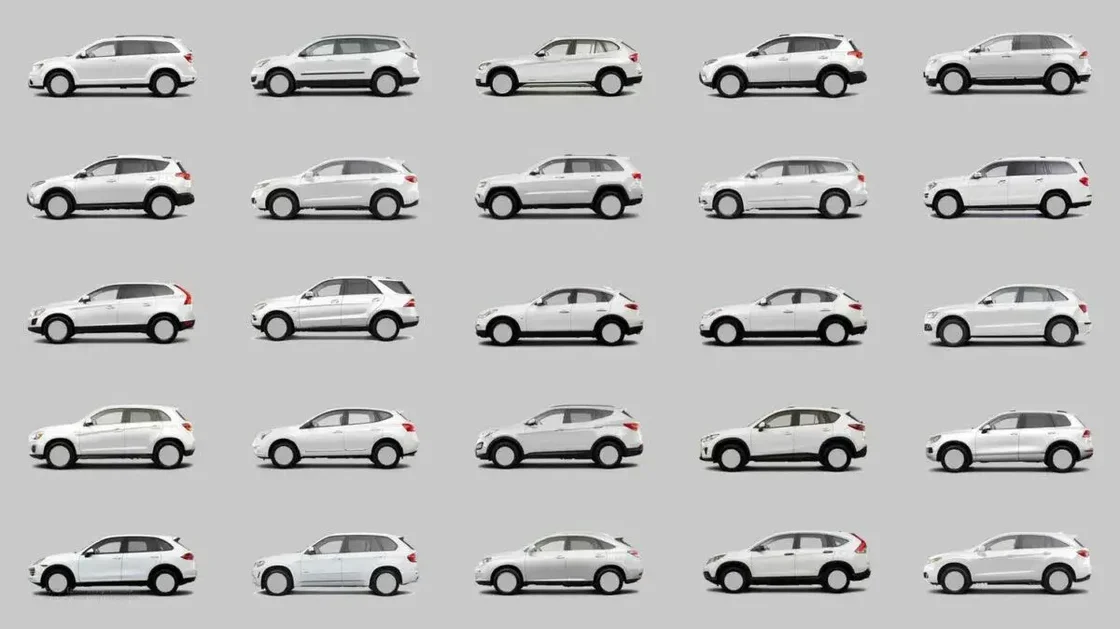
Last week, I reflected on the idea of cultural "FLATNESS": an effect of algorithms curating so much of what we see.
The idea of promoting content that will get attention (what will the masses like) is not new. But algorithms being able to add this new layer that reinforces what suits our existing patterns of behavior — based on what it knows of our previous actions — is. Algorithms show you more songs that sound like what you already listen to, more books like the books you already read, more art that looks like the art you already like.
It feels... flat.
A perpetual reel of sameness.
An echo chamber of our existing opinions.
So where does this leave us when it comes to being open to spaces that challenge us? Or ambiguous, nuanced topics? Surprise? Every big cultural creation needed these things. Every original idea needed to go against sameness, not serve more of it.
I don't know the answer, but I'm sure I'm not the only creative who has been thinking about this and ways to make sure we get out of our habits, get out of the algorithmic echo chamber, follow and be open to those with diverse perspectives and opinions. It requires intention on our part to seek out those things.
"In a business environment that requires companies to adapt on an almost continuous basis, burnout is a real risk for many companies." The Harvard Business Review examines four steps to prevent burnout from an organizational perspective.
Ranging from "profoundly beautiful" to "profoundly silly," the On the Road author's list of 30 techniques for prose feel just as relevant as techniques for life.
Music journalists, DJs, musicians, and other music professionals answer the ancient question of "Are you a music person or a lyrics person, or is there a secret third thing?"