Dribbble was once the creative community, and I loved it. I still remember how excited I was just to get an elusive invite to join. It was a place where designers connected, shared work in progress, and built careers — including my own.
Ten years ago, Dribbble played a pivotal role in our growth, helping us reach instrumental new clients and build lasting relationships. It was a platform fueled by creativity and connection.
Last week, Dribbble changed their Terms of Service, most notably forbidding any contact details or links, and requiring all payments to go through them. For a creative portfolio site, that’s a big dealbreaker for a lot of people.
This isn’t a rant; I swear I have a point.
It is: When a brand shifts from serving its community to taking from it, the brand suffers — massively. Dribbble’s continued push over the past few years has sent a clear signal, intentional or not, that its mission is to drive revenue.
As a business, I understand their desire to grow revenue, but if you lead with that as your “brand,” you no longer have a brand. It’s just a business.
This isn’t just a Dribbble problem. It’s a fundamental branding lesson for any business: You can’t build lasting success by prioritizing transactions over trust. The strongest brands don’t extract value; they create it. They solve real problems, foster real connections, and let revenue become the result.
So, as you think about your brand’s next move, ask yourself: Are you building for people — or just for profit?
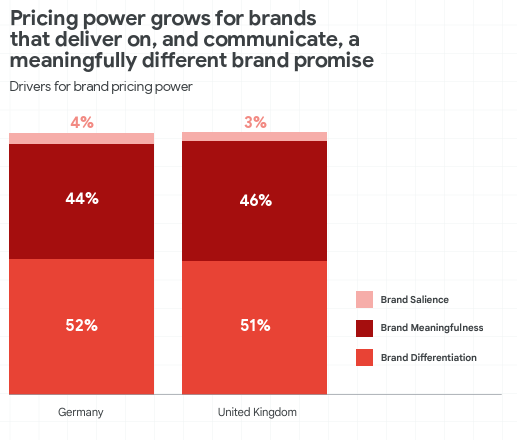
Marketing, and by extension brand, is usually measured by its impact on sales. But a strong brand impacts more than just sales — it increases perceived value and pricing power. As Les Binet said, “The ability of brand advertising to reduce price sensitivity is one of its most important and least studied effects.” If we revisit the current Dribbble situation, they’ve compromised their original brand promise and reduced their perceived value — and many of their users aren’t willing to pay for the new changes to the platform.
“Lumon’s design does much more than just storytelling. Perfectly aligned hallways and a maze-like layout subtly nod to hidden layers and unquestioned rules on the inside, and vintage elements combined with tech-y big pharma design … remind us of the company’s complex history on the outside. This confuses and entrances Lumon’s consumers and its employees alike.”
Authenticity > Aesthetics. “Brands that withstand the test of time don’t chase trends — they lead with a strong mission and values. Your brand identity should reflect what you stand for rather than what’s currently popular.”
“Earnings reports tell you what happened. Brand equity tells you what’s coming. That’s why smart investors, brand leaders, and hedge funds are paying attention to real-time consumer sentiment — because when brand trust, preference, and momentum rise, stock performance often follows.”
“[Successful marketers] prioritize brand-led objectives such as awareness and loyalty more than their lagging counterparts. For example, 76% focus on awareness and relevance, versus 63% of lagging organizations. Furthermore, leading marketers pay more attention to building loyalty and driving advocacy, while having less of a directional focus on selling and conversion.”