





Spellbook

Spellbook is the most complete AI companion for commercial lawyers — the specialists who negotiate, draft, and review the contracts that keep businesses running.

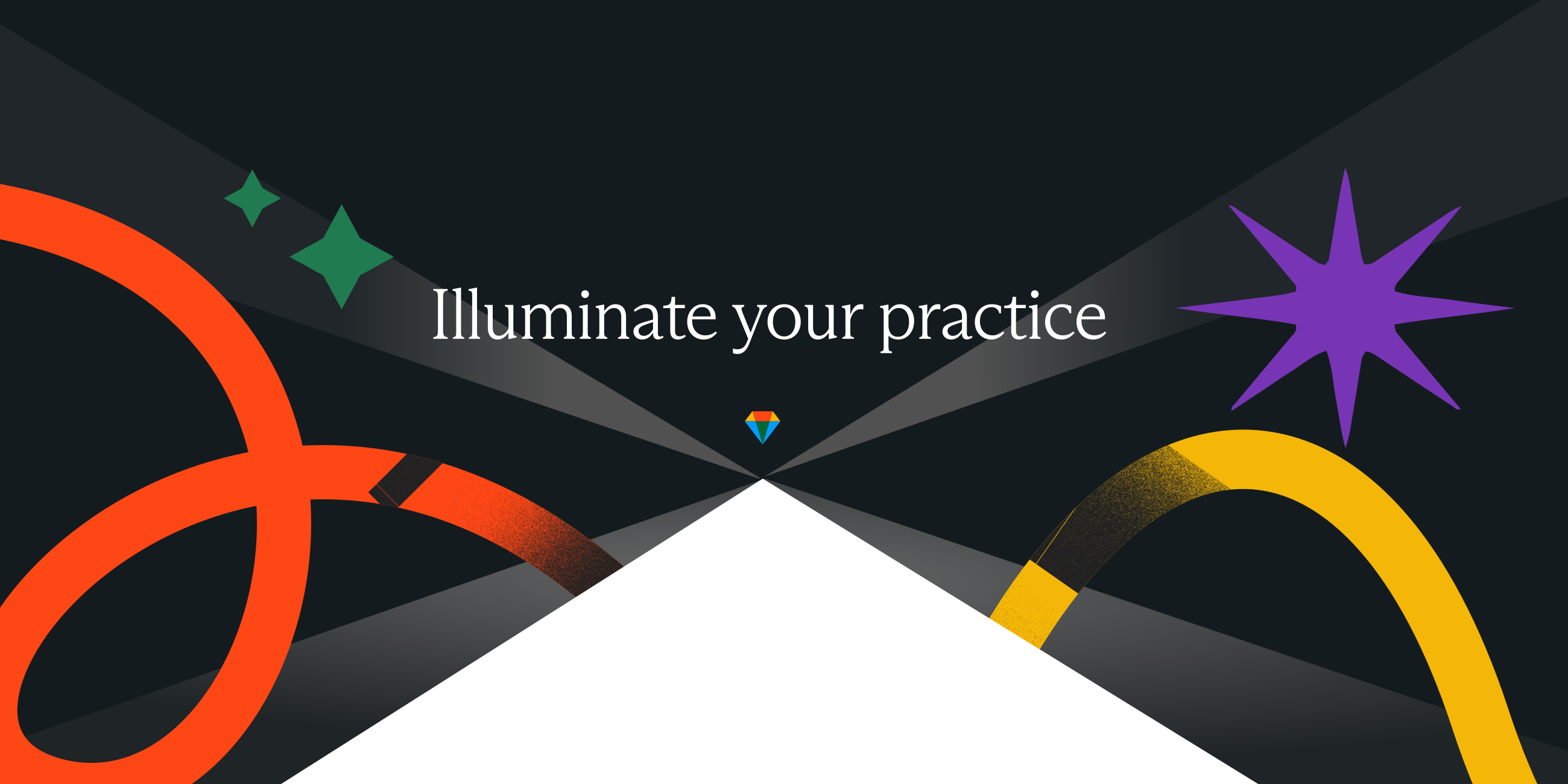
Before Spellbook's founding in 2022, the drudgery of legal document work was real and neverending, with lawyers having to navigate alone through a dark labyrinth of redlining, researching definitions, suggesting rewrites, and flagging risk. Spellbook arrived with a bold realization: It could be the skilled, well-equipped hero that helps them journey through the labyrinth with confidence.

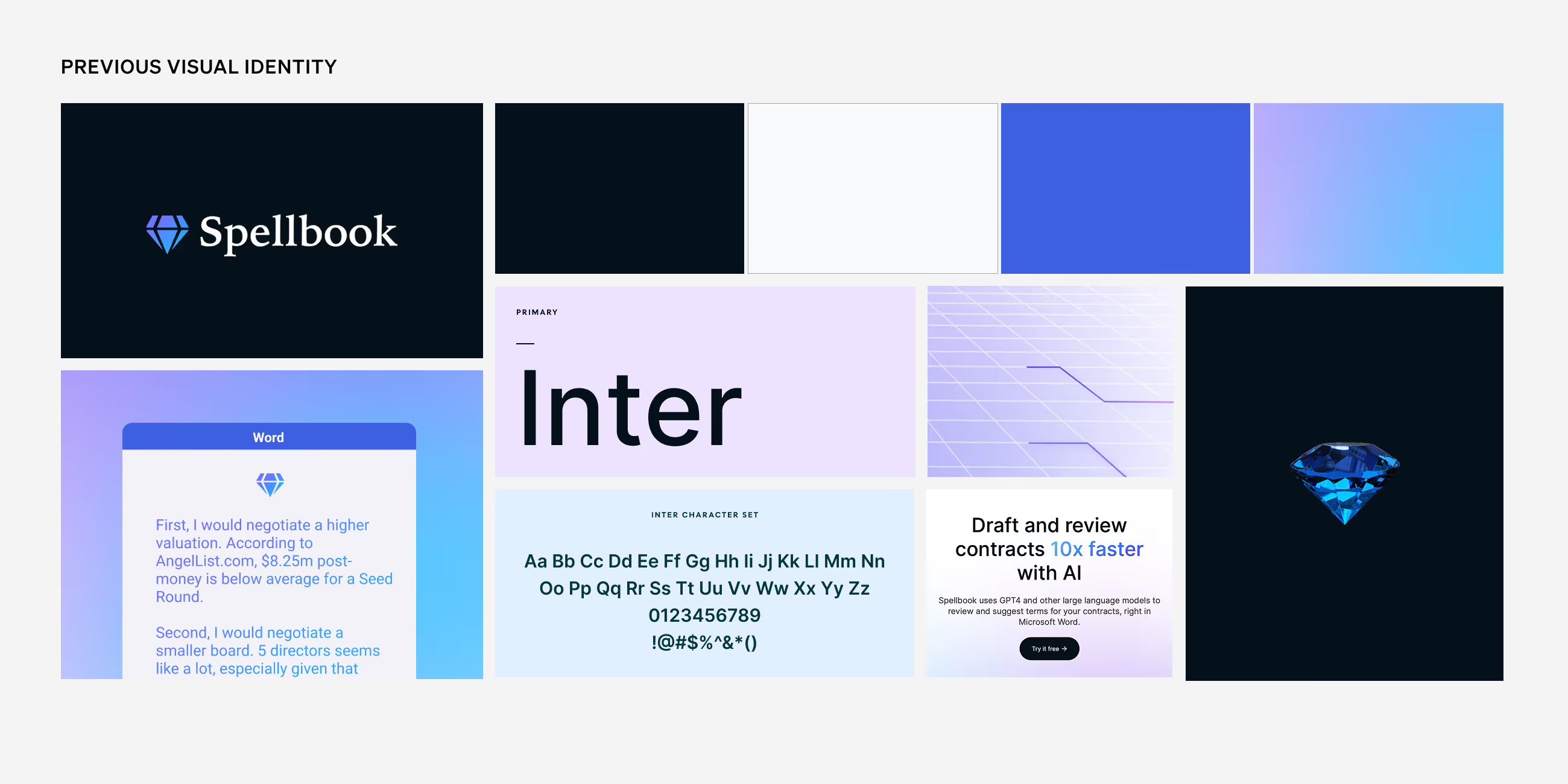
The product lived up to its name: a lawyer’s magical book of spells to empower and transform the beholder. But the brand hadn’t kept pace. As Spellbook grew, the identity surrounding it had become a ceiling. It was functional and practical, but it didn’t match what the company was building or where it was headed.

Services Provided
Post Project

Spellbook had already conjured something real. It had created a product that made the most meticulous work in law feel, for the first time, like magic. It was time for a visual identity powerful enough to cast that same spell.

Brand Evaluation

Brand Evaluation

The strategic work began with us mapping what the legal AI landscape actually looked like and what it consistently failed to do. Competitors read as a single undifferentiated field: cool blues, product-heavy imagery, and neutral type choices that signaled competence without conviction.

We worked with their team to arrive at their brand attributes, one of which included — suitably — magic. The final brand concept was “Questing Together.” 

The concept positions Spellbook not as a replacement for the transactional lawyer but as the thing that makes them more powerful on their journey. That framing gave every subsequent design decision a clear mandate: beyond polished and professional; worthy of the quest.

Throughout the project, Grace Walker — a UI designer working with Spellbook simultaneously — built the website interface while Focus Lab developed the brand, with both tracks informing each other and collaborating in weekly sessions. The result was a brand system and a UI that grew up together rather than in sequence. Grace later joined Spellbook full-time as creative director, a reflection of how seriously the company invested in getting the identity right from the start.

Collage showing previous visual identity with Vizard logo on blue background, Poppins font alphabet samples on red background, social media apps with video thumbnails, woman working on laptop, and website homepage with blue theme.
Text listing brand attributes: Effortless, Transformative, Essential on a purple background.

Logo

Logo

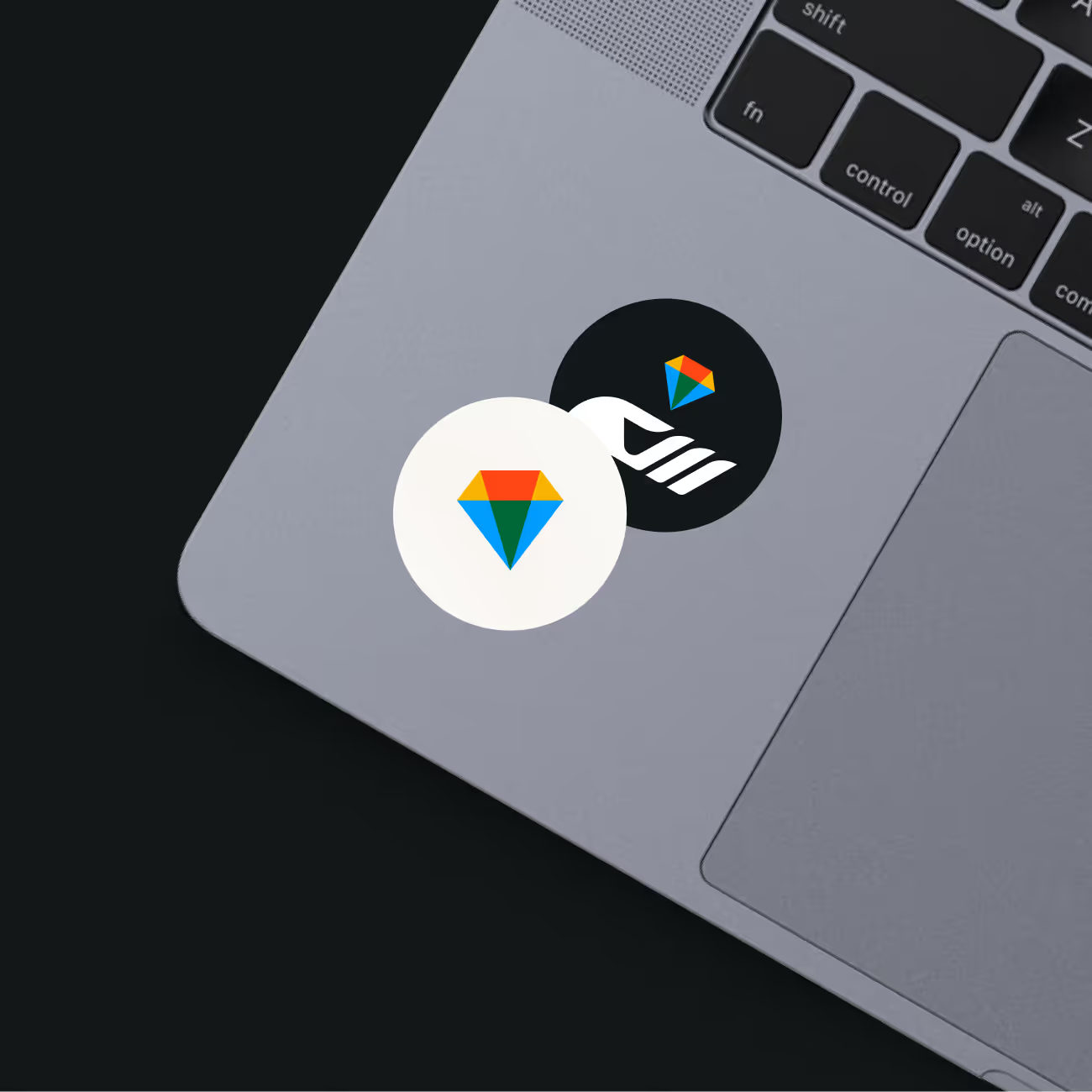
Although we initially explored ideas that leaned into the "book" of Spellbook, elevating the gem from their previous identity proved to be the right solution. It retired what felt complex and generic while honoring what the mark had always represented.

The gem is the centerpiece of the final identity. The faceted stone ties directly to the brand concept — a magical object that makes the work feel less like a grind and more like a craft. Grounded in the prior logo's equity and refined into something sharper and more intentional, the mark signals both continuity and arrival.

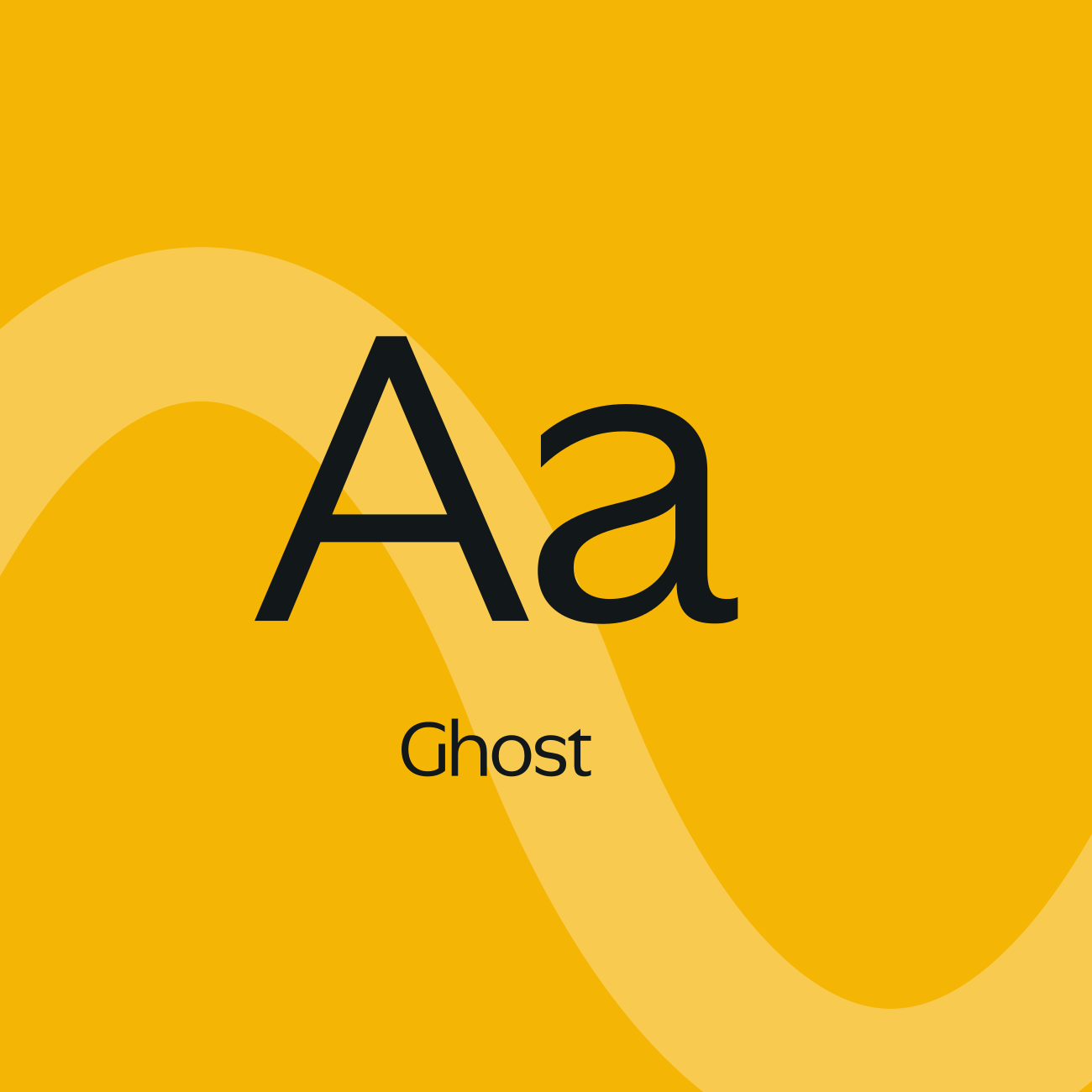
The wordmark is set in Ghost by Sharp Type, the same typeface family that runs through the broader brand system.

Visual Language

Visual Language

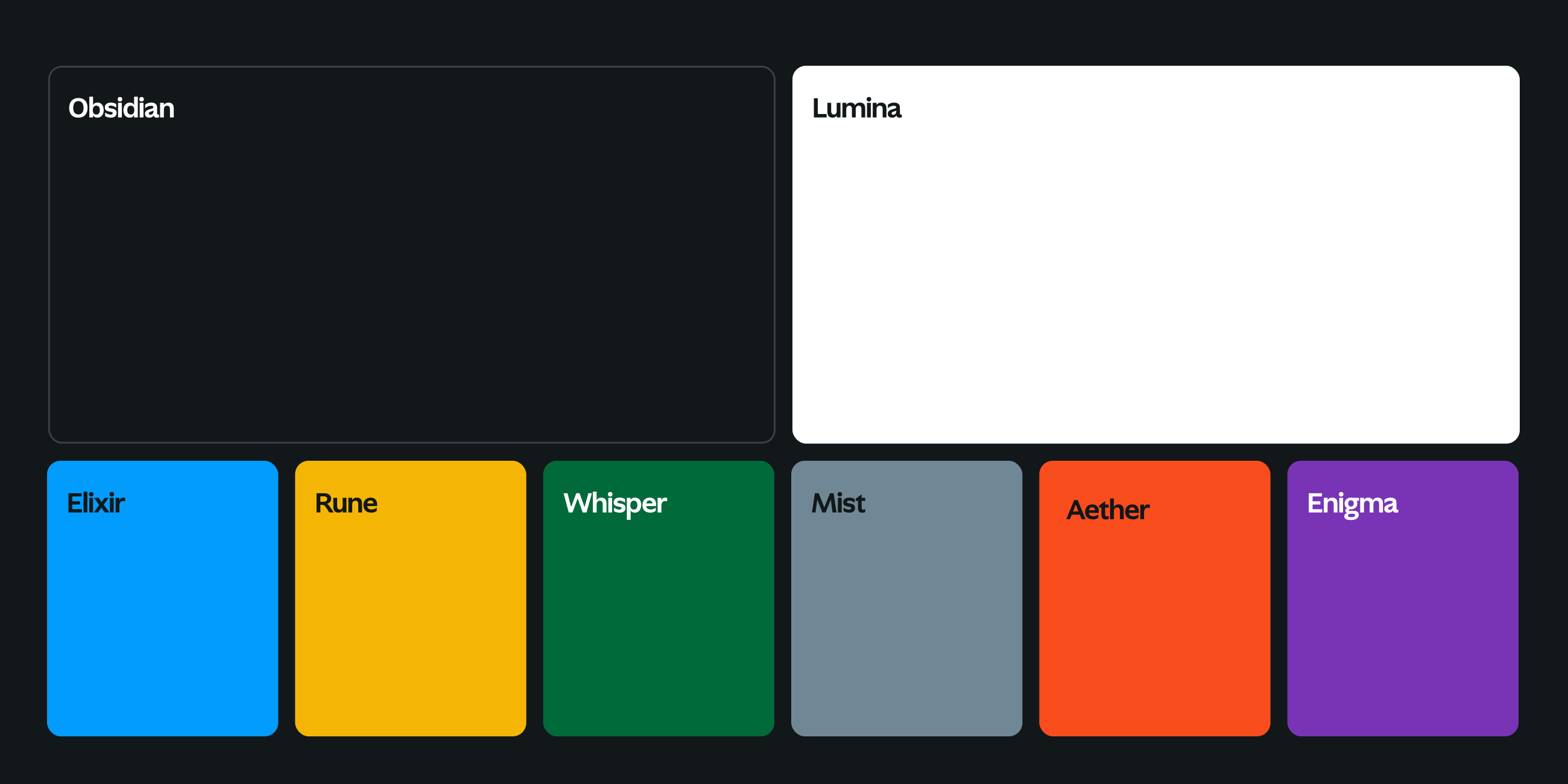
The primary palette, a near-black called Obsidian paired with clean white, reads as warm and premium in a space that rarely is. A six-color secondary palette extends the system’s range with names that carry the alchemical vocabulary of the brand concept and give the identity an expressive depth.

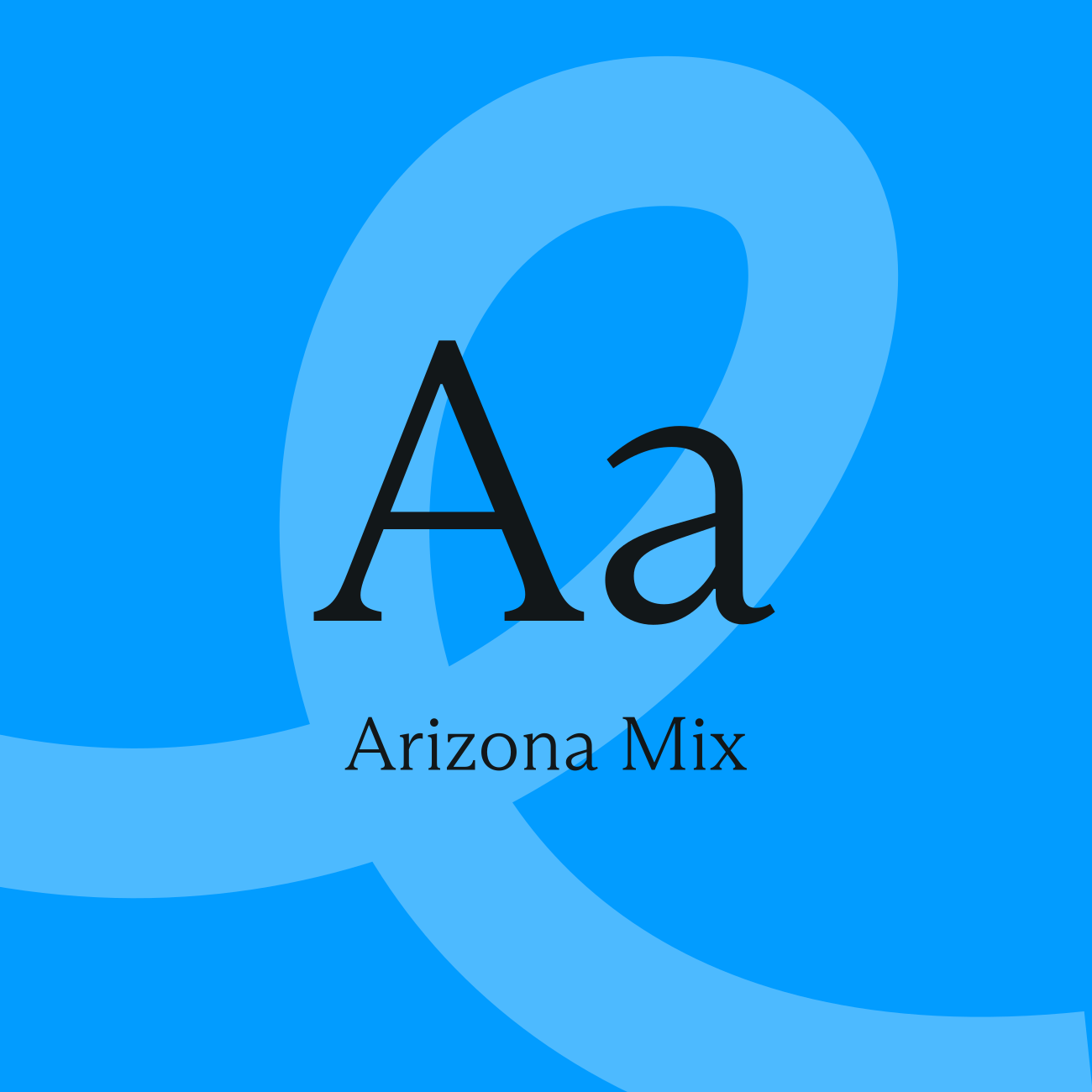
The primary typeface, Dianmo’s Arizona Mix, is a contemporary serif — distinguished without being cold. Ghost, the secondary typeface, carries over from the logotype.

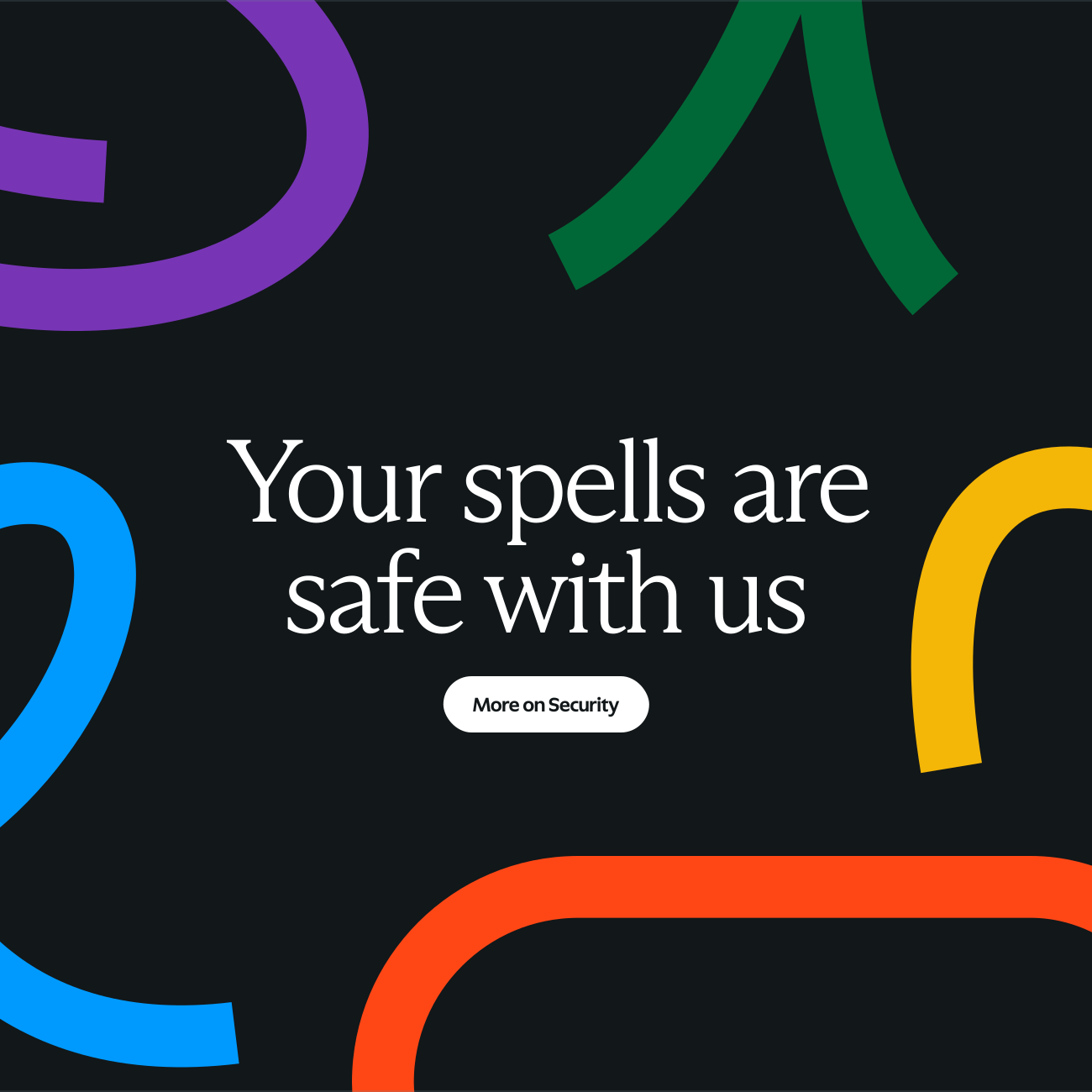
Among the most ownable elements in the system is the markup symbols library — a set of graphic elements drawn from the traditional visual language of contract annotation. Curls, brackets, carets: the shorthand that lawyers have used for generations to mark up a page, translated into brand assets. They function as background textures, product icons, and graphic language, rendered across the full color palette with bold, expressive line work. They are the spells in the book, made visible.

Grid of brand guideline slides showing Vizard's visual identity including logo, color palette, typography, and website interface.
Early illustration exploration
Purple background with white and orange text describing AI-powered social-ready short clips, titled 'Repurposing Webinars with Magic', with a paragraph about content marketers and two buttons for email address and start repurposing.
Text listing brand attributes: Effortless, Transformative, Essential on a purple background.
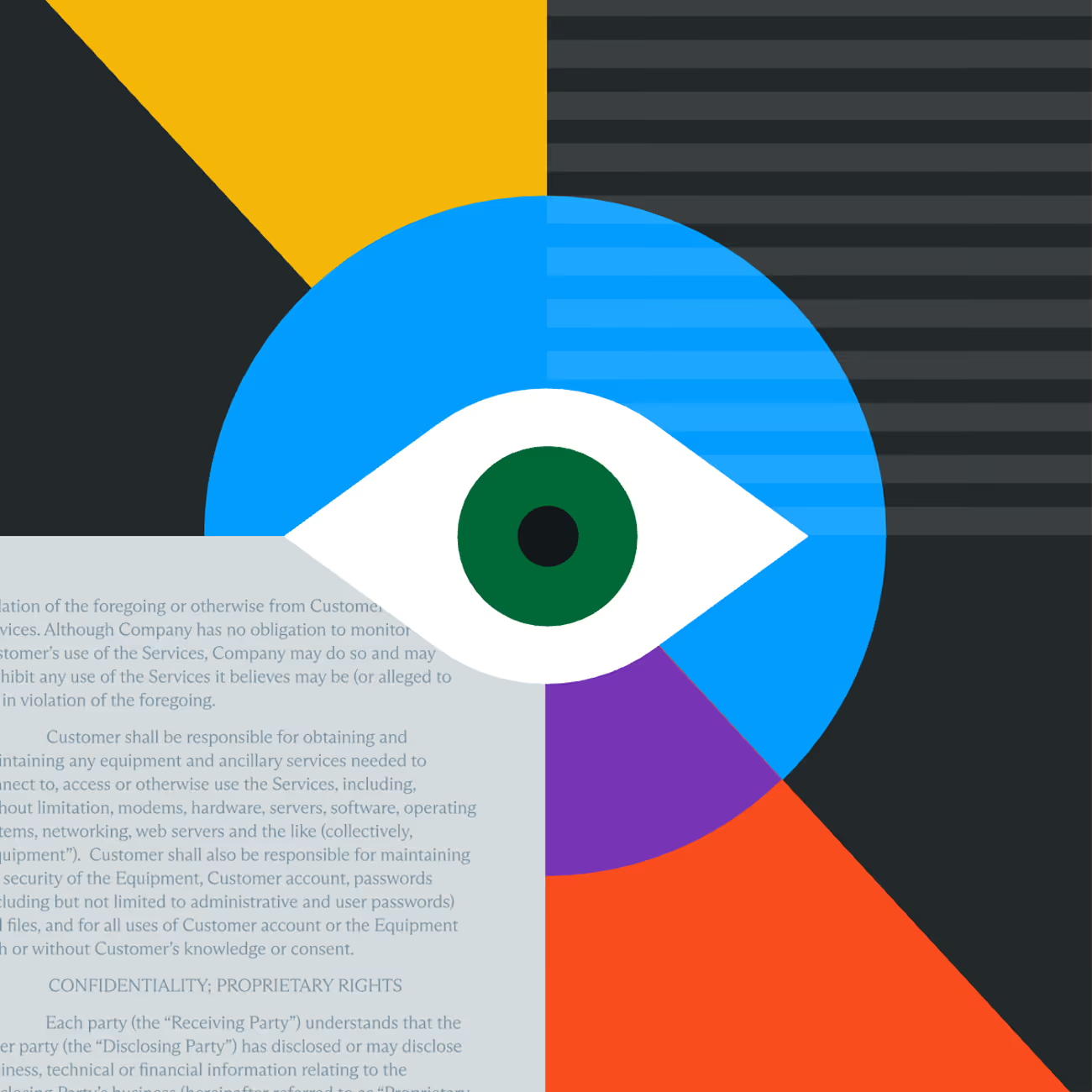
Abstract eye graphic with a green iris overlaid on a blue circle, surrounded by yellow, orange, purple, black, and gray geometric shapes including a corner of text.
Illustration by the Spellbook team
Two side-by-side social media posts from Vizard with purple branding; left post announces team growth with a geometric pattern image, right post shows a woman smiling while talking on the phone.
Purple translucent 20-sided die with gold numbers resting on a dark surface, surrounded by other blurred dice.
Read the next case study